Process

The traditional series consists of ten connected sessions.

Their sequence reflects Ida Rolf’s emphasis on support in gravity. The feet receive the body’s weight, the legs support the pelvis, and the trunk and head organise themselves on this foundation. Each session has a main theme, builds on the previous work and prepares the way for what follows. This continuity gives the sessions a shared direction: connecting local changes with how the whole body finds support and moves in gravity.

You can start with the first session and decide from your own experience whether to continue with the next two. The first three sessions form a self-contained introduction. We then discuss the next steps together.

Session themes

The descriptions below are a guide to the themes of the series. The areas we focus on and the way we work are adapted to each person.

The first three: breath, support and space

We focus mainly on the more superficial layers of tissue, exploring the movement of the ribcage during breathing, support through the feet and the relationships between the front, back and sides of the body. This work lays the foundation for the sessions that follow.

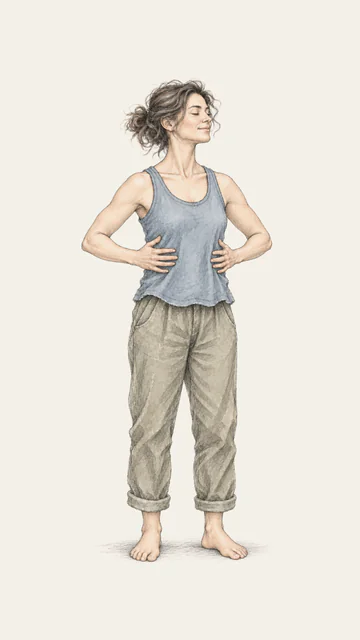
A woman in a blue vest with her hands on her ribs.

Breath in different directions

Area: chest, ribs, shoulders and related areas of the trunk.

The aim is to support the mobility of structures involved in breathing and to sense how breath contributes to the body’s organisation. Breathing is a fundamental movement that accompanies us from birth.
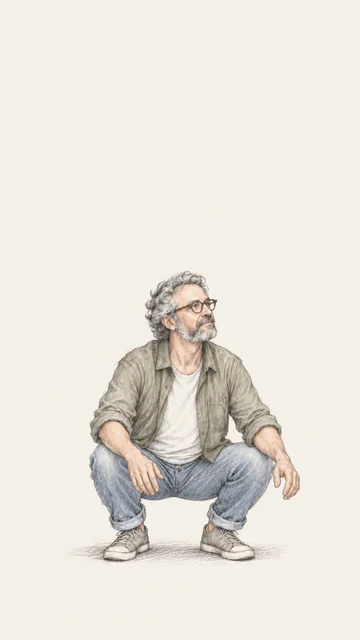
A man with glasses in a deep squat, his feet on the ground.

Support through the feet

Area: feet, ankles and lower legs.

We explore how the feet receive the body’s weight and adapt to the ground. Their support provides a foundation for further work higher up in the body.
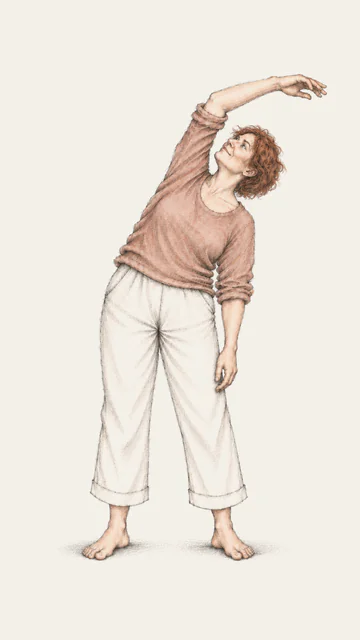
A woman in a terracotta jumper bending to one side.

Space along the sides

Area: the sides of the body, especially the relationships between the pelvis, ribcage and shoulder girdle.

We explore how the front and back of the body work together, the mobility of the ribs and the space between the pelvis and ribcage.
The middle four: deeper structural relationships

We focus on deeper layers and the relationships between the legs, pelvis, spine and head. Each session approaches this system from a different direction. The aim is to develop support and mobility in each area in relation to the organisation of the whole body.

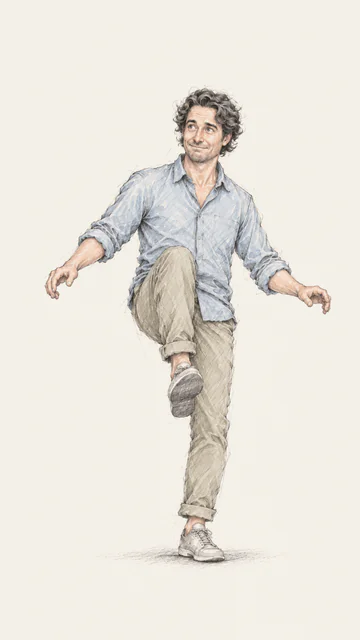
A man in a blue shirt balancing with one knee raised.

From foot to pelvis

Area: the inner arches of the feet, the inner sides of the legs and their relationship to the pelvis.

We develop the connections between support through the lower limbs and the centre of the body. This work opens the middle part of the series. We move into deeper layers.

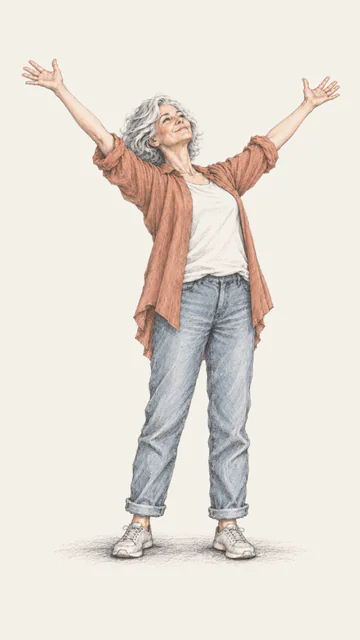
A woman with grey hair, her arms open and raised.

From the pelvis upwards

Area: the front of the trunk, the abdomen and deeper relationships between the hips, pelvis and lumbar spine.

The aim of this session is to support the way the legs and trunk work together and move in relation to one another.

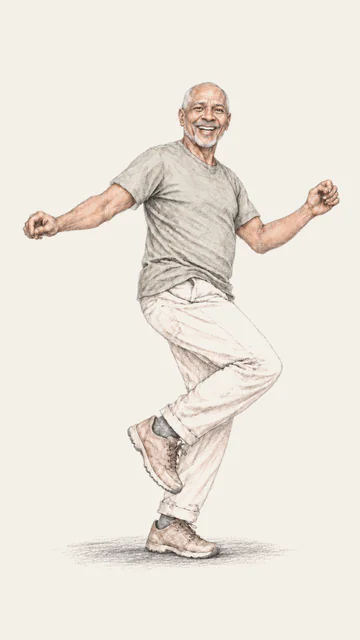
A man in an olive T-shirt balancing on one leg.

Freedom in the pelvis and back

Area: the backs of the legs, pelvis and back.

We build on the previous session from the opposite side, exploring how the back of the body contributes to support and movement of the spine.

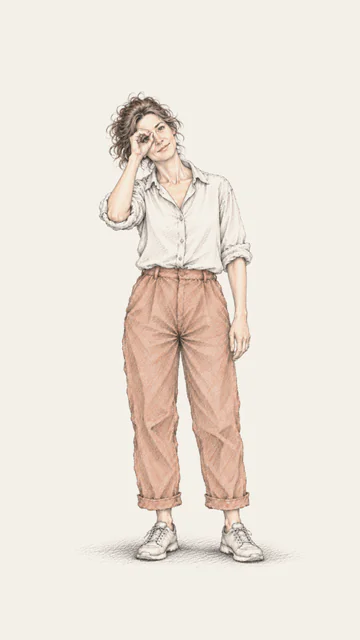
A woman in a white blouse with one hand beside her head.

Head and orientation

Area: neck, head, face and jaw.

We explore the head’s relationship to the spine and trunk, and its mobility as we orient ourselves in the space around us.

The final three: bringing it all together

The emphasis shifts to how these different areas work together. The sessions are guided more closely by what matters to you at this stage. We connect structural work with coordination and perception as we prepare to bring the series to a close.

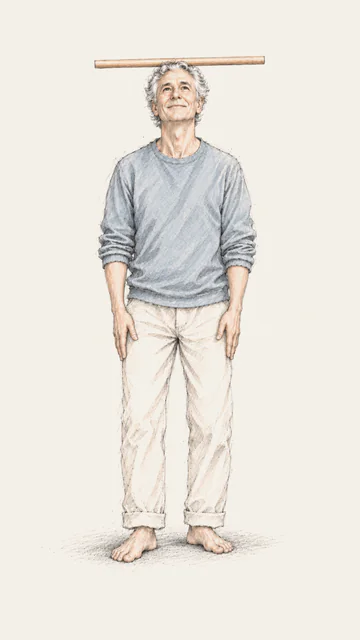
A woman in a blue jumper balancing with a pole on her head.

Balance throughout the body

Area: selected relationships in the lower or upper body, according to current needs.

We begin the final phase of the series. We focus on how different areas work together and what still needs to be brought into balance.

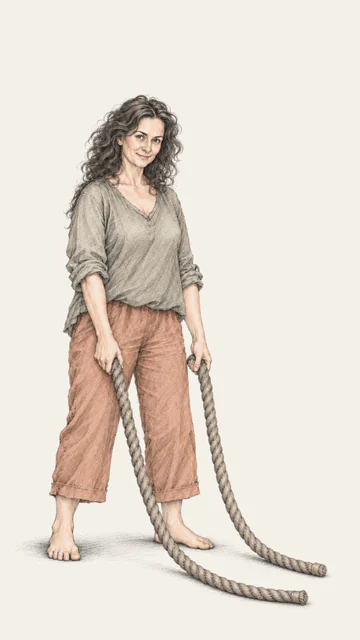
A woman in an olive blouse holding a rope that rests on the ground.

Coordination across the body

Area: connections between the lower and upper body, including the involvement of the arms.

We develop the interplay of support, trunk and limbs in movement. Sessions eight and nine complement each other; I adapt their specific focus and order to your needs.

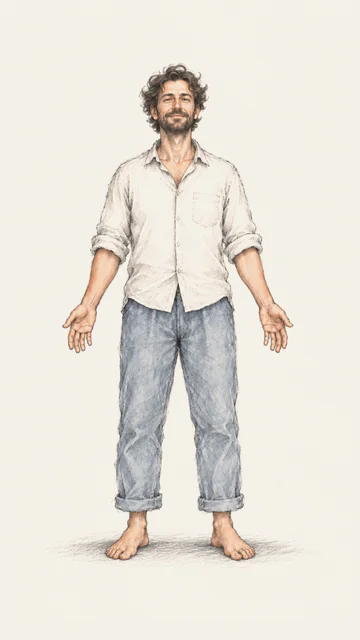
A man in a white shirt standing with open palms.

Integration

Area: the whole body and the connections between its parts.

We return to the connections between breath, support and movement. Together, we put into words what mattered to you and what you can keep working with.

How often do we meet?

The recommended interval is one to four weeks. We agree on a rhythm based on how you respond to the work, your needs and your availability.

Time between sessions lets you experience how the work unfolds in daily life. At the next visit, we can build on that experience. We therefore space the sessions to give you time to absorb the experience while maintaining continuity in the work.

How do I prepare for the first session?

Allow 90 minutes and bring suitable underwear or clothing. I will ask about your health, past injuries and operations. If you have current health concerns or are unsure whether Rolfing is suitable for you, please write to me beforehand.

We begin by discussing what brings you here, what you would like to work on and your aims. I then ask you to make a few simple movements so I can observe the relationships between different parts of your body. During the hands-on work, you lie on a treatment table. We may also work sitting or standing, depending on the session’s theme. As we go, we agree on the intensity of the touch and talk about what you notice. You can ask for a change or a break at any time.

At the end, we return to standing or moving and compare how it feels with the start of the session. We also discuss whether you would like to continue.

What should I wear?

We usually work in underwear, or in swimwear or short shorts and a top. Clothing should allow movement, access to the relevant areas of the body and comfort in different positions.

For women, I recommend a soft, non-wired bra that does not feel tight around the chest. For men, I recommend briefs or fitted boxer briefs that stay in place during movement.

We agree together on how much of the body is covered and how we work with touch. It matters to me that both you and I feel safe during the work.